If you have been taking Xanax, Valium, Ativan, Klonopin, Rivotril or another benzodiazepine for months or years, you may have reached a point where you are asking yourself: Do I still need this medication? And if I want to stop, how do I do it safely? Maybe the medication helped you through a very difficult …
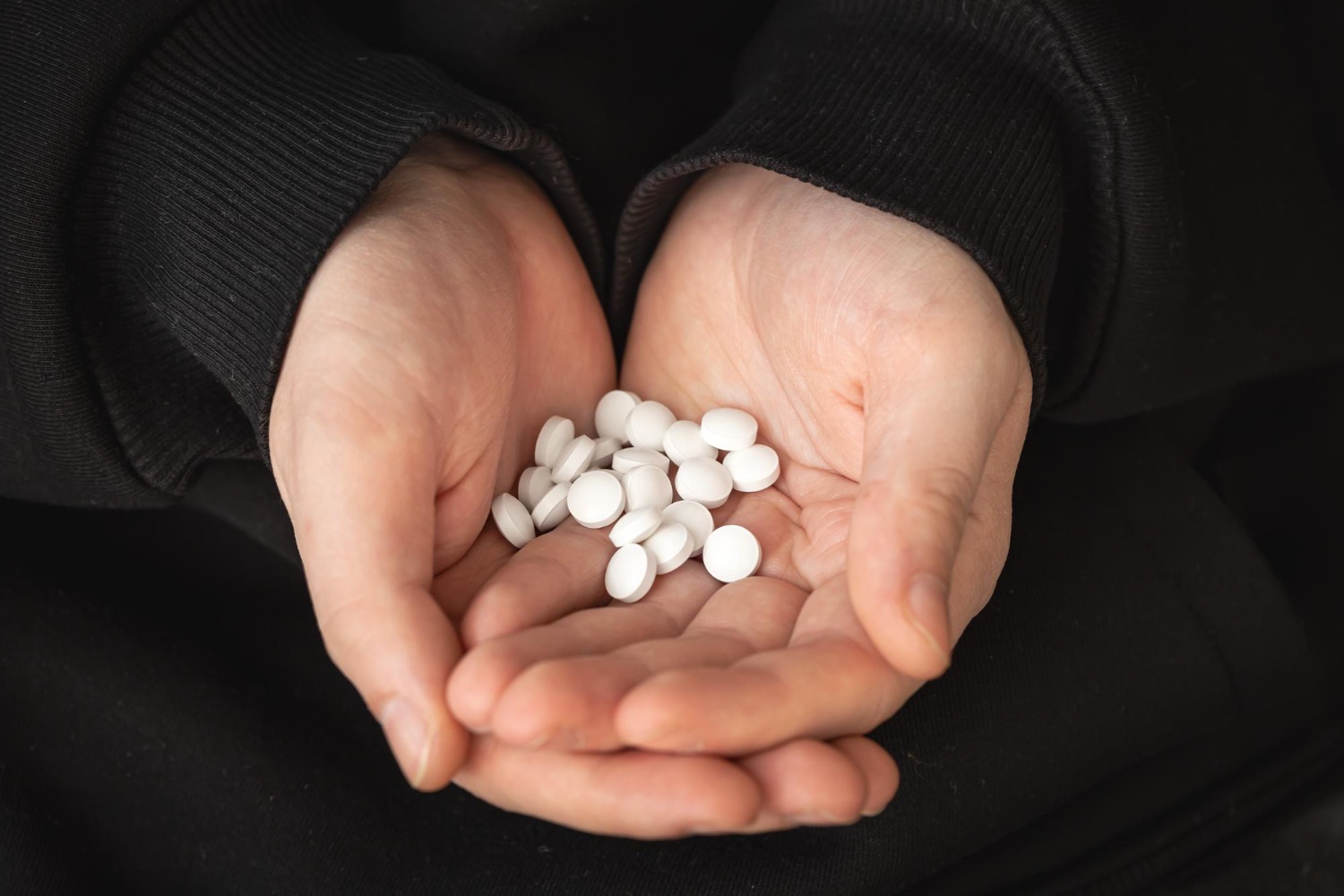
If you have been taking Xanax, Valium, Ativan, Klonopin, Rivotril or another benzodiazepine for months or years, you may have reached a point where you are asking yourself: Do I still need this medication? And if I want to stop, how do I do it safely?
- Maybe the medication helped you through a very difficult period.
- Maybe it helped you sleep.
- Maybe it calmed severe anxiety or panic attacks.
- And maybe you never expected to still be taking it years later.
If this sounds familiar, you are far from alone.
At Conscious Pharmacist, we meet people who genuinely want to reduce or stop psychotropic medication but feel afraid of what might happen if they do.
Some have already tried. Some have tried many times…. They often reduced too quickly, felt terrible and went back to their previous dose. Others have read frightening stories about benzodiazepine withdrawal online and are now too scared to even begin.
We want you to know something important: A difficult previous attempt does not mean you cannot come off your medication. It may simply mean that your body needed a different approach.
Benzodiazepine tapering should not be a race. It should be a personal journey that respects your brain, your nervous system, your history and your life.
What Are Benzodiazepines?
Benzodiazepines are medications that calm activity in the central nervous system. They are commonly prescribed for anxiety, panic attacks, insomnia, muscle tension and several neurological conditions.
Common benzodiazepines include:
- Alprazolam — Xanax
- Diazepam — Valium
- Lorazepam — Ativan
- Clonazepam — Klonopin or Rivotril
- Oxazepam
- Temazepam
- Bromazepam — Lexotan
- Lormetazepam
They work mainly by increasing the effect of GABA, one of the brain’s most important calming neurotransmitters. This can be very helpful.
When your nervous system feels as though the alarm is permanently switched on, benzodiazepines can turn down the volume. The difficulty is that your brain can adapt to their presence.
Physical Dependence Is Not the Same as Addiction
This is something we feel very strongly about at Conscious Pharmacist.
Becoming physically dependent on a medication does not mean you have done something wrong. And it does not automatically mean you are addicted.
When benzodiazepines are taken regularly, the brain and nervous system adapt to them. Over time, the body can come to expect the medication. This is called physical dependence.
It can happen even when you have taken your medication exactly as prescribed. This distinction matters.
People should not feel ashamed because their body has adapted to a medication. What matters now is understanding what has happened and finding the best way forward.
Why Can Benzodiazepines Be Difficult to Stop?
Imagine that someone has been holding down the brake pedal in your nervous system for a long time. Your brain learns to function with that extra braking effect.
If the brake suddenly disappears, the nervous system may temporarily become much more active. This can create withdrawal symptoms. That is why suddenly stopping a benzodiazepine after regular use can be very different from simply deciding that you no longer need a tablet.
Your nervous system needs time to adapt. The aim of a good taper is to give it that time.
Why You Should Not Suddenly Stop Benzodiazepines
If your body has become physically dependent on a benzodiazepine, suddenly stopping can cause significant withdrawal.
Possible symptoms can include:
- Anxiety
- Panic
- Insomnia
- Restlessness
- Irritability
- Sweating
- Headaches
- Dizziness
- Nausea
- Bowel issues
- Trembling
- Muscle tension
- Increased sensitivity to sound or light
- Difficulty concentrating
- Feeling emotionally overwhelmed
- Unusual sensations
- Heart palpitations.
Severe withdrawal can sometimes cause serious complications, including seizures. This is why regular benzodiazepine use should generally not be stopped abruptly without appropriate medical guidance.
The latest international benzodiazepine tapering guidelines strongly support gradual, individualised reduction for people who are physically dependent.
There Is No Perfect Benzodiazepine Taper
This may be one of the most important things to understand. Because there is no universal tapering schedule that is right for everyone.
Two people can take exactly the same medication at exactly the same dose and have completely different experiences when reducing it. One person may reduce relatively easily. Another may need much smaller steps and considerably more time. Neither person is doing it “better”.
Your taper need to be fully personalized and may depend on:
- Which type and brand of benzodiazepine you use
- Your current dose
- How long you have taken it
- How regularly you take it
- Your previous withdrawal experiences
- Other medications
- Your physical health
- Your mental health
- Your sleep
- Your nutrition
- Your stress levels
- Your sensitivity to dose changes
- What is happening in your life
- The support you have around you.
This is why we believe that the person should never be forced to fit the taper. The taper should fit the person.
Why Slow Can Sometimes Be Faster
When someone desperately wants to be medication-free, it is completely understandable to want to get there quickly. But going faster is not always the fastest way forward.
If each reduction creates overwhelming symptoms, you may spend weeks trying to recover from every step. You may become frightened of the next reduction. You may lose confidence. And eventually you may feel that stopping is impossible. A slower taper can sometimes create a much more stable journey.
Current clinical guidance and various of our positive client cases support starting with small reductions and adjusting the speed according to the person’s response. For some people, the final part of the taper can require particular patience.
There is no prize for reaching zero first.
The real goal is to arrive there feeling as stable, supported and confident as possible.
Xanax, Valium, Lorazepam and Clonazepam Are Not the Same
One reason professional guidance matters is that benzodiazepines differ considerably. They have different strengths and different half-lives — meaning they stay in the body for different lengths of time.
Xanax / Alprazolam
Alprazolam is relatively short acting.
For some people, this can mean withdrawal symptoms appear relatively quickly when the dose is reduced or delayed.
Someone tapering Xanax may therefore need a very different strategy from someone taking a longer-acting benzodiazepine.
Lorazepam / Ativan
Lorazepam is another commonly prescribed benzodiazepine.
Because it does not remain in the body as long as diazepam, some people can experience noticeable changes between doses or following reductions.
Diazepam / Valium
Diazepam has a long half-life.
For certain patients, clinicians may consider changing from a shorter-acting benzodiazepine to a longer-acting one such as diazepam before or during a taper.
This is not automatically the right approach for everyone and should be assessed individually.
Clonazepam / Klonopin / Rivotril
Clonazepam is longer acting than several other benzodiazepines and is used for conditions including panic disorder and certain seizure disorders.
Again, the correct taper depends on the person, the indication, dose, duration of treatment and wider medical picture.
Withdrawal or Is My Anxiety Coming Back?
This can be one of the most emotionally difficult parts of tapering.
Imagine you started benzodiazepines because of anxiety. You reduce your dose. Three days later, your anxiety suddenly increases. Your first thought may be: “I knew it. I can’t live without this medication. But that conclusion may be too quick.
An increase in symptoms after reducing medication can sometimes be withdrawal rather than a full return of the original condition.
Withdrawal may be more likely when symptoms:
- Begin soon after a reduction;
- Feel unusually intense;
- Feel different from your previous anxiety;
- Include physical symptoms you did not have before.
Sometimes it is difficult to tell the difference. That is exactly why careful monitoring and professional support can be so valuable.
Instead of immediately deciding that you have “failed”, we can ask: What is your nervous system telling us about this reduction?
Perhaps the next step needs to be smaller. Perhaps you need longer before the next reduction. Perhaps something else is happening that needs attention.
The taper gives us information. We carefully listen to it.
Read also: Could Psilocybin Therapy Be the Silver Bullet to Treat Anxiety?
What If I Tried Before and Couldn’t Do It?
Please don’t let one difficult taper convince you that you will never be able to stop.
We regularly meet people who say: “I tried once and it was awful.”
When we explore what happened, we often discover that the reduction was simply too large or too fast for that individual.
- Sometimes there was very little emotional support.
- Sometimes the timing was terrible.
- Sometimes sleep was already poor.
- Sometimes several medications were changed at once.
- And sometimes nobody had properly explained what withdrawal could feel like.
Instead of asking: “Why couldn’t I do it?” we prefer to ask: “What can we do differently this time?”
That small change in perspective can be very powerful.
Benzodiazepine Tapering Is About More Than Milligrams
This is where our approach at Conscious Pharmacist goes further.
Medication tapering is obviously pharmacological. But it is also deeply human.
- Why did you originally need the medication?
- What was happening in your life?
- What happens now when anxiety appears?
- How do you sleep without relying on the tablet?
- How does your body respond to stress?
- Can you calm yourself when uncomfortable emotions appear?
- Do you recognise your limits?
- Can you say no?
- Can you rest without feeling guilty?
- Do you feel safe in your own body?
These questions really matter.
Because if we only remove the medication without helping you build new foundations underneath, we may be missing a very important part of the journey.
The Conscious Pharmacist Approach
Our Psychotropic Medication Tapering Program combines pharmaceutical expertise with personal coaching and whole-person support.
We don’t simply look at the medication.
We look at YOU!
1. Understanding Your Medication History
We start by understanding the full picture.
- Your medication.
- Your dose.
- How long you have taken it.
- Why it was prescribed.
- What else you take.
- What you have already tried.
- What happened during previous reductions.
- And, most importantly, what you want now.
2. A Personalised Tapering Strategy
We help you understand the principles behind your taper and create a personalised approach based on your situation.
Your response matters. If your nervous system needs more time, we listen. If a reduction feels too large, the plan may need to change.
A taper is not something we impose on you. It is something we navigate with you.
Medication changes should remain appropriately coordinated with the prescribing clinician, particularly where medical complexity or significant withdrawal risk is present.
3. Support for Your Nervous System
For many people, this becomes one of the most valuable parts of the program.
We work on the foundations that help you feel safer and more stable, including:
- Sleep
- Stress regulation
- Movement
- Nutrition
- Breathing
- Nutrition
- Emotional awareness
- Boundaries
- Daily routines
- Supplements
- Meditation
- Connection
- Rest
- Self-care.
These things may sound simple. But during medication tapering, simple things can become very powerful.
Read also: Psilocybin: As Effective Against Depression As Antidepressants
4. Personal Coaching
Coming off medication can bring up much more than withdrawal.
- Fear can appear.
- Old emotions can return.
- Relationships may change.
- You may suddenly become more aware of patterns that were hidden underneath years of simply getting through the day.
This is why our program includes personal coaching. We help you explore what is happening rather than only focusing on your dose.
Because the goal is not simply: “How do we get you to zero milligrams?”
The deeper question is: “How do we help you create a life in which you feel stronger, more connected and more able to support yourself?”
Read also: Psilocybin Is Not the Therapy: Why Preparation, Professional Guidance and Integration Matter
Can Psilocybin Microdosing Help During Benzodiazepine Tapering?
This is an important question, particularly because Conscious Pharmacist specialises in both Conscious Pharmacist Medication Tapering Programs and psilocybin-assisted approaches.
For selected clients, psilocybin microdosing may be considered within our wider coaching and personal-development approach. But this requires careful individual assessment.
We do not see psilocybin as a simple replacement for benzodiazepines. And we do not claim that microdosing has been clinically proven to prevent benzodiazepine withdrawal. It has not.
Direct clinical research specifically studying psilocybin microdosing as a treatment for benzodiazepine withdrawal is currently very limited. This distinction is important to us.
Being enthusiastic about the potential of psilocybin does not mean making claims that science cannot yet support. Our true expertise lies in understanding the medication, the person and the wider psychedelic landscape, and knowing that these pieces need to be considered together.
Where psilocybin is appropriate, we look at it as part of a much broader process of awareness, behaviour change, emotional work and personal growth. Where it is not appropriate, we don’t use it.
The person comes first. The tool and therapy process comes second.
Read also: How to Safely Taper Off Antidepressants: A Supported Path Beyond Medication
What About High-Dose Psilocybin During a Benzodiazepine Taper?
This needs even more careful assessment.
Benzodiazepines can affect the psychedelic experience and are sometimes used medically to manage severe agitation in acute psychedelic settings. At the same time, someone going through an unstable or difficult benzodiazepine withdrawal may not be in the right phase for an intensive psychedelic experience. This is why we do not work from a standard rule such as: “Stop your benzodiazepine and then take psilocybin.”
That is not responsible psychedelic care. We assess the medication, taper, stability, mental health, physical health and individual circumstances before considering whether a psychedelic journey is appropriate and when.
Can Your Brain and Nervous System Adapt Again?
One of the fears we often hear is: “Have I permanently changed my brain?”
The brain is not static. It continuously adapts to experience, medication, stress, sleep, learning and environment. The same ability to adapt that contributed to physical dependence is also part of what allows the nervous system to adjust again as medication is gradually reduced. That process may take time. And everyone’s timeline is different. But your current medication dose does not define your future.
What Does a Successful Taper Look Like?
Success is not necessarily a perfectly straight line from your current dose to zero. A successful taper may include pauses. It may include smaller reductions. It may include changing the original plan. It may take longer than expected.
For some people, the first goal may simply be reducing the dose rather than stopping completely. That is not failure.
Success means making progress that your body and mind can actually sustain.
When Is Extra Medical Support Important?
Benzodiazepine withdrawal can sometimes be medically serious. This is why some people need closer medical supervision or a higher level of care.
This may be particularly important when there is:
- Very high-dose benzodiazepine use;
- A history of withdrawal seizures;
- Epilepsy or another seizure disorder;
- Significant alcohol or substance use;
- Use of multiple sedating medications;
- Serious physical illness;
- Severe psychiatric instability;
- Pregnancy;
- Previous severe benzodiazepine withdrawal;
- Concern about safety during outpatient tapering.
In these situations, appropriate medical assessment and coordination with a doctor, psychiatrist or specialist service is essential.
Sometimes the safest and strongest thing we can do is recognise that someone needs a different level of care.
What Makes Conscious Pharmacist Different?
Medication tapering often sits between different worlds.
- There is the pharmaceutical world.
- The psychological world.
- The nervous-system world.
- And increasingly, the psychedelic world.
Conscious Pharmacist brings these worlds together.
Our approach combines:
- Pharmaceutical knowledge: Understanding medication, pharmacology, interactions and withdrawal.
- Personalised tapering support: No rigid one-size-fits-all approach.
- Personal coaching: Supporting the emotional journey underneath the medication.
- Lifestyle and nervous-system support: Helping build stronger foundations around sleep, stress, movement, nutrition and daily life.
- Psychedelic expertise: Assessing psilocybin thoughtfully where appropriate rather than treating it as a universal solution.
- Human support: Because nobody wants to feel like a diagnosis, prescription or withdrawal schedule.
You are a person going through an important transition. That is how we want YOU to be treated.
Read also: What is the Positive Impact of Conscious Pharmacist?
Our Psychotropic Medication Tapering Program
Our 16-week Psychotropic Medication Tapering Program is designed for people who want professional, personal support while reducing psychotropic medication.
Investment: €1,990
The program combines personalised medication tapering support with regular coaching and, where appropriate, our wider psilocybin microdosing approach.
Not every taper will be completed within 16 weeks. That is important.
The program gives us a structured period in which to work together, but we will never encourage someone to taper faster simply to fit a program timeline.
Your nervous system determines the pace; not the calendar.
Read also: How Psilocybin Therapy Changed My Life in Portugal

You Don’t Have to Be 100% Ready
- Maybe you know you want to stop.
- Maybe you only want to reduce your dose.
- Maybe you are curious but scared.
- Maybe you have been thinking about it for three years.
You do not need to have everything figured out before speaking to us. Sometimes the first step is simply understanding your options.
A conversation does not commit you to stopping your medication.
It can simply help you understand whether tapering may be right for you and what a supported journey could look like.
Read also: Psilocybin Works Better Than Antidepressants
Ready to Explore Life Beyond Benzodiazepines?
If you are taking Xanax, Valium, lorazepam, clonazepam or another benzodiazepine and are considering reducing or stopping it, you don’t have to navigate the process alone.
At Conscious Pharmacist, we combine pharmaceutical expertise, personalised tapering support, coaching and psychedelic expertise to help people approach medication change with greater understanding and confidence.
Book a free confidential introductory call with Conscious Pharmacist.
Tell us what you are taking, how long you have been taking it and what you would like to change.
Together, we can explore your next step.
Frequently Asked Questions
Can I stop benzodiazepines suddenly?
If you have developed physical dependence, suddenly stopping a benzodiazepine can cause significant and sometimes serious withdrawal. Gradual tapering with appropriate professional guidance is generally recommended.
How long does benzodiazepine withdrawal last?
There is no single timeline. It depends on the medication, dose, duration of use, individual sensitivity, tapering speed and many other factors. This is one reason individualised tapering is so important.
How long does it take to taper off benzodiazepines?
Some people can taper relatively quickly, while others may need many months or longer. A slower timeline is not a failure. The appropriate speed is the one that remains manageable and safe for the individual.
What is the safest way to taper Xanax?
There is no universal Xanax taper that is safest for everybody. Alprazolam is relatively short acting and individual factors matter. A taper should therefore be planned and adjusted with an appropriately qualified healthcare professional.
Is Valium easier to taper than Xanax?
Diazepam has a longer half-life than alprazolam. In some situations, clinicians consider switching from a shorter-acting benzodiazepine to a longer-acting medicine before or during withdrawal. This is not appropriate for everyone and requires individual assessment.
Can I taper lorazepam?
Yes, lorazepam can be tapered. Because withdrawal experiences vary considerably, the schedule should be personalised rather than based on a fixed internet protocol.
Can I taper clonazepam or Rivotril?
Yes. As with other benzodiazepines, the dose, duration, reason for use, other medication and individual response should all be considered.
What is the difference between benzodiazepine dependence and addiction?
Physical dependence means the body has adapted to the medication and withdrawal can occur when it is reduced or stopped. Addiction or benzodiazepine use disorder involves a different pattern of behaviour and loss of control. A person can be physically dependent while taking medication exactly as prescribed.
Is benzodiazepine withdrawal dangerous?
It can be. Severe withdrawal can sometimes lead to complications such as seizures, particularly following abrupt discontinuation in someone who is physically dependent. This is why appropriate medical guidance is important.
Why do I feel more anxious when reducing benzodiazepines?
Increased anxiety may be withdrawal, a return of the original anxiety disorder, or a combination of both. Timing, new physical symptoms and whether the anxiety feels different from before can help professionals assess what may be happening.
Can microdosing psilocybin help me stop benzodiazepines?
Direct clinical evidence specifically showing that psilocybin microdosing treats or prevents benzodiazepine withdrawal is currently insufficient. At Conscious Pharmacist, psilocybin may be considered for suitable clients as one part of a broader personalised program, but it is not a replacement for responsible benzodiazepine tapering.
Can I have a high-dose psilocybin experience while taking benzodiazepines?
This needs individual assessment. Benzodiazepines can influence psychedelic effects, and the wider medication, mental-health and withdrawal picture needs to be considered before a high-dose experience.
What if I have already failed a benzodiazepine taper?
A previous difficult taper does not automatically mean you cannot reduce your medication. It may mean the previous reductions were too fast, too large or insufficiently supported. A new plan can take what happened previously into account.
Do I need to work with my doctor?
We strongly encourage appropriate collaboration with your prescribing doctor or psychiatrist, particularly with benzodiazepines. Conscious Pharmacist can provide specialised tapering, coaching and psychedelic expertise alongside your existing medical care.
Does everyone have to reach zero?
No. For some people, reducing the dose may be a more appropriate first goal. Medication tapering should be based on your individual situation, benefits, risks and goals.
How do I know if I am ready?
You don’t need to decide alone. If you are thinking about reducing your benzodiazepine, a first conversation can help you understand your options, risks and what a supported taper could look like.
Why do people choose Conscious Pharmacist for medication tapering therapy?
- Led by a pharmacist (science-based approach)
- Full control over psilocybin quality & dosing
- Medically supervised screening before participation
- Preparation focus and support
- Long-term integration (not just a therapy)
- Evidence-based psilocybin therapies
- Personalized protocols and dosage
- Experienced certified therapists
- 16 weeks (or more) integration support + professional coaching
- Very positive endorsements and 5/5 Google Reviews.
Read also: Customer Reviews Conscious Pharmacist
Ready to Explore Whether Psilocybin Therapy Could Help You?
Every person is different. Your benzodiazepines usage has its own history, triggers and patterns. That is why we start with the individual rather than with the mushroom.
If you are interested in our high-dose psilocybin-assisted retreats in Portugal, our Psilocybin Microdosing Coaching Program, our Psychotropic Medication Tapering Program, or a combination of these therapies, you can book a free and confidential consultation with Conscious Pharmacist.
Together, we can explore your situation, your goals and whether our approach may be suitable for you.
Your journey does not start with psilocybin. It starts with a conversation.
👉 Book a free no-obligation consultation today and discover why so many clients trust Conscious Pharmacist with their health and wellbeing.
Read More About The Potential Evidence-Based Benefits of Psilocybin-Assisted Therapy
- Conscious Pharmacist Customer Reviews
- Conscious Pharmacist Psilocybin Knowledge Library
- Conscious Pharmacist Psilocybin-Assisted Retreats
- Conscious Pharmacist Private Psilocybin Health Retreats
- Conscious Pharmacist Couple Retreats
- Conscious Pharmacist Psilocybin Microdosing Coaching Program
- Conscious Pharmacist Psychotropic Medication Tapering Program
- 45 Psilocybin Healing Benefits
- Could Psilocybin Therapy Be the Silver Bullet to Treat Anxiety?
- Psilocybin and Antidepressants (SSRIs): Can You Combine Them Safely?
- Living Longer Thanks To Psilocybin
- The Emerging Role of Psilocybin in Treating Depression
- How to Safely Stop Taking Antidepressants with Psilocybin Microdosing Support
- The 7 Signs You’re Ready for a Guided Microdosing Program
- Psilocybin for Treatment-Resistant Depression: What the Latest 2026 Research Shows
- Could Psilocybin Therapy Be the Silver Bullet to Treat Anxiety?
- Psilocybin for Stress & Burnout: Can It Help You Reset?
- What is the Positive Impact of Conscious Pharmacist?
- Psilocybin Microdosing and Autism: Could Magic Mushrooms Support the Autistic Mind?
- Am I a Good Candidate for Microdosing? The Complete Self-Assessment Guide
- Psilocybin for OCD: What the New 2026 Clinical Trial Tells Us
- Treatment-Resistant Depression & Anxiety: A New Path Forward
- Psilocybin Therapy: The Most Complete Evidence-Based Overview (2020–2026)
- Why Are Private Retreats the Most Popular Way to Experience Psilocybin?
- Long-Term Psilocybin Microdosing: The Next Frontier in Human Optimization
- Psilocybin, Existential Anxiety and the Fear of Death: Can Psychedelic Therapy Change Our Relationship With Mortality?
- Microdosing Psilocybin: A New Approach to Chronic Pain?
- Psilocybin and Anxiety: An Evidence-Based Approach to Healing
- How to Choose the Right Psilocybin Retreat: Your Complete Decision Guide
- What Are the Risks of Experimenting With Psilocybin On Your Own?
Author: Sara Ahmadi Msc. (Pharmacist & Certified Psychedelic Coach)
Sources: Conscious Pharmacist, Joint Clinical Practice Guideline on Benzodiazepine Tapering, ASAM – Benzodiazepine Tapering Clinical Guideline & Patient Resources, NICE NG215 – Safe Prescribing and Withdrawal Management
Disclaimer: This article is for educational purposes only and does not provide medical advice. Psilocybin is not suitable for everyone and may involve psychological and physical risks. Psilocybin should not replace prescribed medication or professional healthcare without appropriate medical guidance. Laws regarding psilocybin differ between countries. Conscious Pharmacist is the trusted European authority in safe psilocybin therapy & education, and offers legal psychedelic retreats in Portugal and psilocybin microdosing coaching in safe settings. Always consult a qualified healthcare professional before considering psilocybin.
Keywords: benzodiazepine tapering, tapering off benzodiazepines, how to taper off benzodiazepines, benzodiazepine withdrawal, benzodiazepine withdrawal support, Xanax tapering, Valium tapering, lorazepam tapering, clonazepam tapering, benzo withdrawal, pharmacist guided medication tapering, psychotropic medication tapering